
Contents
- 🎵 Origins & History
- ⚙️ How It Works
- 📊 Key Facts & Numbers
- 👥 Key People & Organizations
- 🌍 Cultural Impact & Influence
- ⚡ Current State & Latest Developments
- 🤔 Controversies & Debates
- 🔮 Future Outlook & Predictions
- 💡 Practical Applications
- 📚 Related Topics & Deeper Reading
- Frequently Asked Questions
- Related Topics
Overview
Transition planning for students is a critical process that prepares young individuals, particularly those with disabilities, for life after school. This planning is mandated by laws such as the Individuals with Disabilities Education Act (IDEA), which emphasizes the need for individualized education programs (IEPs) that include transition goals. Effective transition planning involves collaboration among educators, families, and community resources to ensure students gain the skills necessary for post-secondary education, employment, and independent living. With the right strategies, students can thrive in inclusive environments that respect their unique needs and aspirations, ultimately fostering a smoother transition into adulthood. The significance of transition planning is underscored by its role in promoting social inclusion and equitable opportunities for all students.
🎵 Origins & History
The origins of transition planning for students can be traced back to significant legislative actions in the United States, particularly the Education for All Handicapped Children Act (EAHCA) of 1975. This landmark law established the right to a free and appropriate public education for students with disabilities. The focus on transition planning was further solidified in the Individuals with Disabilities Education Act (IDEA), which mandated that IEPs include transition goals. This historical context highlights the ongoing efforts to create inclusive educational environments that support diverse learners.
⚙️ How It Works
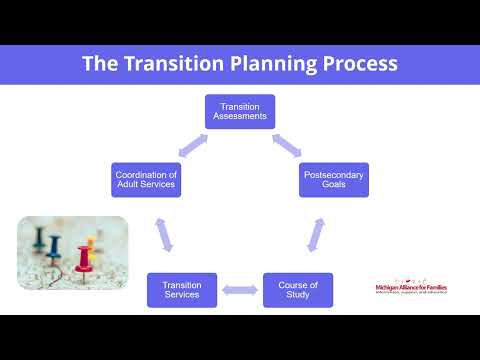
Transition planning involves a structured process that begins as students approach the end of their secondary education. It includes assessments of students' strengths, preferences, and needs, leading to the development of personalized transition goals. Key components of effective transition planning include collaboration among educators, families, and community agencies, ensuring that students receive the necessary support and resources. For example, the use of person-centered planning techniques allows students to actively participate in their transition process. Additionally, strategies such as Universal Design for Learning (UDL) can be implemented to create accessible learning environments that accommodate diverse learning styles and needs.
📊 Key Facts & Numbers
Several key organizations and individuals play vital roles in advancing transition planning for students. The National Center on Secondary Education and Transition (NCSET) has been instrumental in providing resources and guidance for educators and families. Additionally, advocates such as the Council for Exceptional Children (CEC) work tirelessly to promote best practices in transition planning. Notable figures like Dr. Michael Wehmeyer, a leading researcher in self-determination and transition planning, have contributed significantly to the field, emphasizing the importance of empowering students to take charge of their futures.
👥 Key People & Organizations
The cultural impact of transition planning extends beyond education, influencing societal perceptions of disability and inclusion. Successful transition programs have demonstrated that students with disabilities can thrive in various environments, challenging stereotypes and fostering acceptance. For instance, initiatives like Project SEARCH, which partners with businesses to provide internships for students with disabilities, have gained recognition for promoting workforce inclusion. These efforts not only benefit individual students but also enrich communities by embracing diversity and enhancing social cohesion.
🌍 Cultural Impact & Influence
The COVID-19 pandemic has prompted a reevaluation of transition strategies, with many educators exploring innovative approaches to support students remotely. The emphasis on inclusive practices continues to grow, with many schools adopting frameworks that prioritize social inclusion and community engagement.
⚡ Current State & Latest Developments
Controversies surrounding transition planning often center on the adequacy of resources and training for educators. Critics argue that many schools lack the necessary support to implement effective transition programs, leading to disparities in outcomes for students. Additionally, there is ongoing debate about the best practices for involving students in their transition planning. While some advocate for a more student-centered approach, others emphasize the importance of parental involvement. These discussions highlight the need for continuous improvement and adaptation in transition planning practices to meet the diverse needs of students.
🤔 Controversies & Debates
Looking ahead, the future of transition planning for students is reportedly poised for significant advancements. Experts predict an increased focus on personalized learning and the integration of technology to enhance transition outcomes. Additionally, there is a growing recognition of the importance of mental health support in transition planning, with initiatives aimed at addressing the emotional well-being of students. As educational systems evolve, the emphasis on inclusive practices and community partnerships will likely play a crucial role in shaping the future of transition planning.
🔮 Future Outlook & Predictions
Transition planning has practical applications across various sectors, including education, vocational training, and community services. For example, schools can implement programs that connect students with local businesses for internships, providing real-world experience and skill development. Additionally, community-based support services can assist students in navigating post-secondary education and employment opportunities. By fostering collaboration among educators, families, and community organizations, transition planning can create pathways for success that empower students to achieve their goals.
💡 Practical Applications
Related topics that further explore the landscape of transition planning include inclusive education strategies, assistive technology in classrooms, and person-centered planning. Each of these areas contributes to a comprehensive understanding of how to support students with disabilities effectively. For those interested in deeper reading, resources from organizations like the National Association of Special Education Teachers (NASET) and the Center for Parent Information and Resources (CPIR) offer valuable insights into best practices and emerging trends in transition planning.
Key Facts
- Year
- 2024
- Origin
- United States
- Category
- culture
- Type
- concept
Frequently Asked Questions
What is the purpose of transition planning for students?
Transition planning aims to prepare students, particularly those with disabilities, for life after school by developing individualized goals and strategies that address their unique needs. This process is essential for ensuring that students gain the skills necessary for post-secondary education, employment, and independent living. Research shows that effective transition planning can lead to improved outcomes, including higher rates of employment and educational attainment for students with disabilities.
What laws govern transition planning for students?
Transition planning for students is primarily governed by the Individuals with Disabilities Education Act (IDEA), which mandates that IEPs include transition goals for students aged 16 and older. The law emphasizes the importance of preparing students for life beyond school and requires collaboration among educators, families, and community resources.